
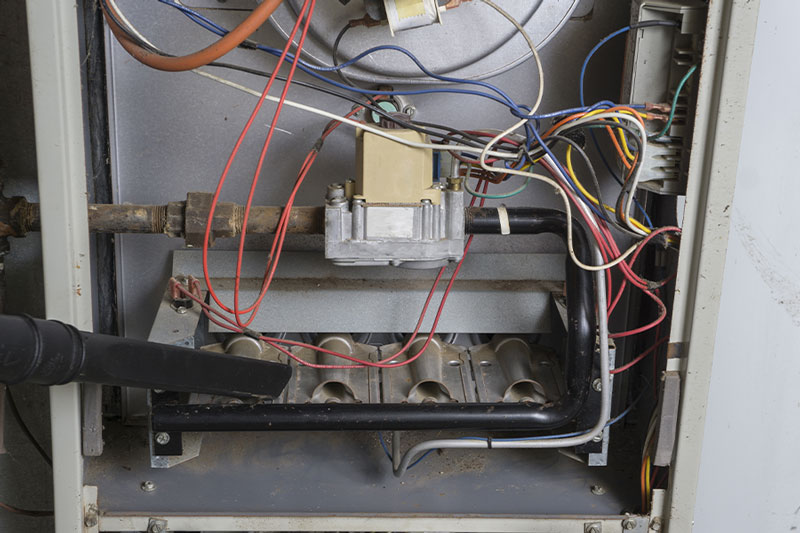
This furnace maintenance checklist covers seven steps Howell, MI homeowners should take before the first cold night: change the air filter, check the thermostat, clear the furnace area, inspect ductwork and vents, have the ignition system checked, schedule a professional tune-up, and review the warranty. Mrs. Michael offers professional HVAC maintenance to handle the technical steps.
Key Points
- Start with the filter: A clean air filter improves airflow, lowers energy bills, and helps prevent furnace breakdowns.
- Check the thermostat: Accurate calibration and correct programmable settings keep heating efficient and comfortable.
- Clear the space: A clean, clutter-free furnace area reduces fire hazards and makes service easier.
- Seal leaks and open vents: Leaky ducts and blocked vents waste heat and cause uneven temperatures.
- Leave ignition to the pros: A professional tune-up covers the ignition system and flame sensor and helps extend furnace life.
Why Should You Inspect and Change Your Furnace Air Filter?
Inspecting and changing the furnace air filter keeps air flowing freely and helps the furnace run efficiently. A clogged filter forces the furnace to work harder, which raises energy bills and increases the risk of a breakdown right when the weather turns cold.
The air filter is the easiest item on this checklist, and one of the most important. Dust and debris build up quickly during heavy heating months, and a dirty filter is one of the most common causes of restricted furnace performance.
Check the air filter every month, especially during the heating season. If it looks dirty, replace it with a new one. Filter types vary, so some need changing every few months while others can last up to a year. In our work throughout Howell, a clogged filter is one of the first things we find when a furnace starts struggling on the first chilly night of fall.
How Do You Verify Your Thermostat Settings for Accurate Heating?
Verifying thermostat settings means checking that the temperature reading is accurate and that any programmable features are set correctly. Both steps help the furnace heat your home efficiently, which keeps you comfortable and keeps energy bills in check.
This simple check makes a big difference in how comfortable a home feels all winter. Paired with regular maintenance, a properly working thermostat helps the whole heating system run at its best.
How Do You Check Thermostat Temperature Calibration?
Thermostat temperature calibration is checked by comparing the thermostat’s reading to a separate thermometer placed nearby. If the two readings are noticeably different, the thermostat may be causing unnecessary heating cycles that waste energy and money.
For example, if the thermostat shows 70°F but the room feels colder, the furnace may not be heating the way you expect. If you find a significant difference, a professional can recalibrate or replace the thermostat. Taking care of this now helps the furnace run smoothly and keeps the home cozy when cold nights hit Howell.
How Do You Test Programmable Thermostat Features?
Testing programmable thermostat features means confirming the heating schedule, hold settings, and vacation mode are all set the way you want. Settings that are off can keep the furnace from following the schedule you rely on.
Here is what to review:
- Heating schedule: Make sure the schedule matches your daily routine, with the right temperatures for when you are home and away.
- Hold feature: Confirm the hold feature is not accidentally on, since it can override your programmed settings.
- Vacation mode: Check that vacation mode is off unless you are actually away.
- System response: Watch to confirm the furnace responds correctly to the programmed settings.
If the thermostat is not responding the way it should, our team can help with thermostat repair or replacement. A little attention here goes a long way toward winter comfort.
Why Is a Clean Furnace Area Important for Safety and Efficiency?
A clean furnace area improves safety by removing fire hazards and improves efficiency by keeping airflow clear. Storage boxes, tools, and flammable materials near the furnace can block airflow and create a serious risk once the heating season begins.
Based on what we see in Howell homes, from older houses near downtown to newer builds around Thompson Lake, furnace rooms and basements often double as storage space. Clear away any debris, dust, or stored items around the unit, and keep flammable materials well away from it.
While you are there, look for any signs of leaks or corrosion around the furnace. If something looks unusual, call a professional to take a closer look. Regular vacuuming or dusting around the furnace also helps it maintain peak performance.
Finally, make sure the furnace is easy to reach for maintenance and repairs. An organized furnace area protects the home and helps keep the heat on when cold nights arrive. It also makes it easier to spot signs that an older furnace may be nearing replacement.
How Do You Check for Ductwork Leaks or Blockages?
Checking for ductwork leaks or blockages means looking for visible damage in the ducts and making sure every vent is clear. Leaky ducts and blocked vents waste heated air, which leads to higher energy bills and uneven temperatures throughout the home.
Fixing these issues can greatly improve furnace efficiency and comfort. Sealed ductwork also helps prevent poor indoor air quality caused by unconditioned air entering the system.
What Visible Ductwork Leaks Should You Look For?
Visible ductwork leaks show up as damage or wear along the ducts and their connections. Air leaks cause significant energy loss, higher bills, and uneven temperatures, so they are worth checking even though the furnace itself gets most of the attention.
Look for these signs:
- Tears or holes: Visible damage anywhere along the ductwork.
- Loose connections: Gaps where duct sections join together.
- Failing duct tape: Old tape that is worn, peeling, or coming loose.
- Damaged insulation: Torn or missing insulation around the ducts.
- Dust at the joints: Visible dust buildup around joints, which often points to escaping air.
How Do You Check for Blocked Vents?
Checking for blocked vents means inspecting every vent and register in the home to make sure nothing restricts airflow. Blocked vents cause uneven heating and higher energy costs because the furnace has to work harder to push air through the home.
Walk through each room and make sure vents and registers are free of dust, furniture, rugs, or other items. If you find leaks or blockages in the ductwork, address them promptly, since sealing leaks can greatly improve system efficiency.
If you are unsure about the condition of your ducts, Mrs. Michael can inspect them and recommend indoor air quality solutions when needed, so your home stays warm and comfortable all winter long.
Why Should a Professional Test the Ignition System and Flame Sensor?
A professional should test the ignition system and flame sensor because these components control whether the furnace lights safely and reliably. A worn igniter or dirty flame sensor is a common reason furnaces fail on cold nights, and checking them requires tools and training.
These checks are best left to a qualified technician, since they involve gas and electrical components. Here is what a technician checks during an ignition inspection:
- Ignition system condition: The igniter is inspected for signs of wear or damage.
- Flame sensor cleaning: Built-up residue is cleaned off the flame sensor so it reads the flame correctly.
- Voltage check: The ignition system is tested to confirm it receives adequate power.
- Ignition sequence test: The furnace is run to confirm it lights correctly every time.
- Flame color: The burner flame should be blue, which indicates a proper burn.
If your furnace clicks without lighting, lights and then shuts off, or shows a yellow flame, call for professional furnace repair right away. If you ever smell gas, leave the home and call your gas utility or 911 from outside.
Why Schedule a Professional Furnace Inspection and Tune-Up?
A professional furnace inspection and tune-up catches small problems before they turn into major breakdowns. Technicians clean key components, check for leaks, and confirm the system is operating efficiently, which improves performance and helps extend the furnace’s lifespan.
Keeping a furnace running smoothly matters most as cold nights approach. When you call in an experienced team like Mrs. Michael, you can trust that potential issues will be identified early. This proactive approach boosts the furnace’s performance and helps the home stay cozy all winter long.
What Should You Know About Your Heating System Warranty?
Knowing your heating system warranty details helps you avoid unexpected costs and keeps your coverage valid. Many warranties have specific rules about maintenance, transfers, and what is excluded, so reviewing them before winter can save you money and stress.
Here are the key points to review:
- Coverage duration: Know how long the warranty lasts and which parts it covers.
- Maintenance requirements: Some warranties require regular maintenance to stay valid, so keep up with it.
- Transferability: Check whether the warranty can transfer to a new owner if you sell your home.
- Exclusions: Be aware of what is not covered, such as damage from lack of maintenance or improper installation.
- Claim process: Understand how to file a claim if something goes wrong.
Frequently Asked Questions
When should Howell, MI homeowners schedule furnace maintenance?
Howell, MI homeowners should schedule furnace maintenance in early fall, before the first cold night. Booking ahead of the heating season gives technicians time to catch small issues early, so the furnace is ready to run reliably when temperatures drop across Livingston County.
Can I do furnace maintenance myself?
Furnace maintenance is partly a homeowner job and partly a professional one. Homeowners can change air filters, check thermostat settings, clear the furnace area, and keep vents open. Ignition systems, flame sensors, gas components, and full tune-ups should be handled by a qualified technician for safety.
What happens if I skip annual furnace maintenance?
Skipping annual furnace maintenance can lead to dirty components, reduced efficiency, higher energy bills, and a greater chance of breakdowns during cold weather. Some heating system warranties also require regular maintenance, so skipping it could put your coverage at risk.
What are signs my furnace needs repair before winter?
A furnace needs repair before winter if it makes unusual noises, cycles on and off frequently, struggles to ignite, blows cold air, or produces a yellow flame. Any of these signs means it is time to have a professional inspect the system before the cold settles in.
Get Your Howell Furnace Ready Before the Cold Moves In
Working through this furnace maintenance checklist helps keep your Howell home warm, safe, and efficient all winter. Regular maintenance keeps you comfortable today and extends the life of your heating system for years to come. A few simple steps now can save you from a chilly surprise on the first cold night.
Mrs. Michael helps Howell, MI homeowners prepare their furnaces for winter with upfront pricing and friendly, experienced technicians. If your furnace is due for its seasonal checkup, schedule your appointment today and head into the cold months knowing your home is ready.
