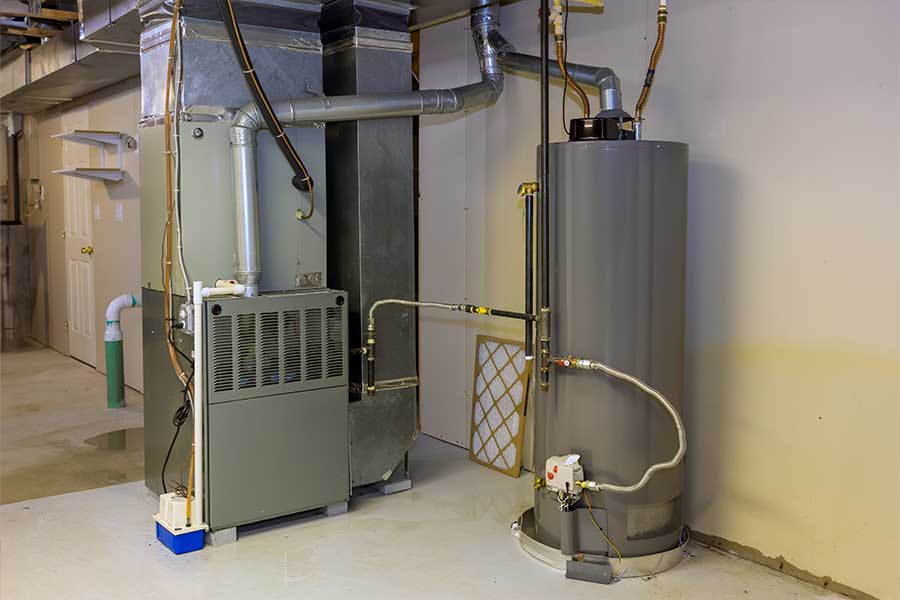
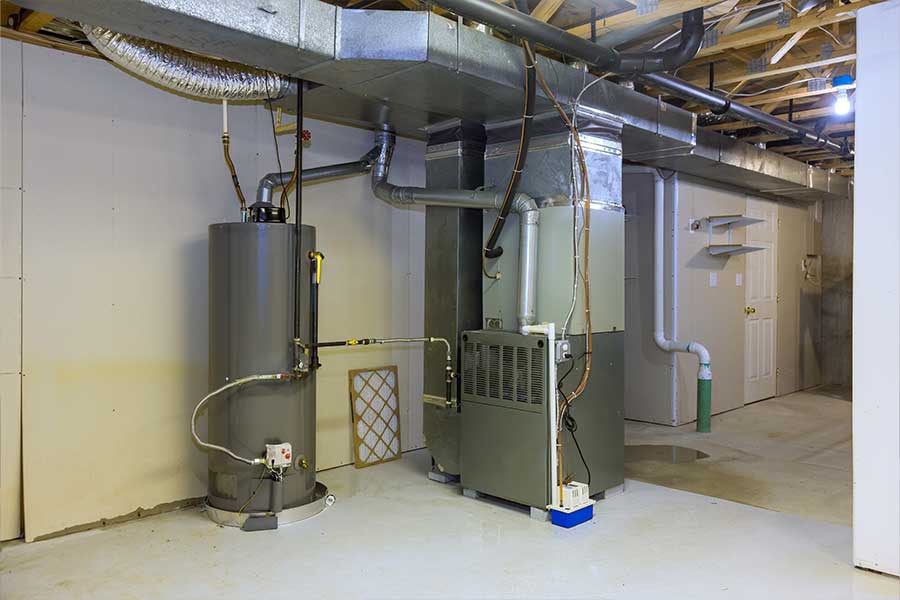
The most common water heater replacement signs for Milford, MI homes are rust or corrosion, strange noises, fluctuating temperatures, leaks, rising energy bills, and age over 10 years. Mrs. Michael recommends checking for these clues before winter, since a failing unit is far more likely to quit during the cold months. Our team handles water heater replacement and installation when it is time.
Key Points
- Watch for six clues: Rust, strange noises, temperature swings, leaks, high energy bills, and age all signal a failing water heater.
- Know the lifespan: Most tank water heaters last about 8 to 12 years, and units over 10 years old often struggle.
- Act fast on leaks: Shut off power and water, contain the leak, and call a professional right away.
- Noises mean something: Rumbling, popping, and hissing often point to sediment buildup or valve and leak issues.
- Track repair frequency: Needing repairs more than once or twice a year usually means replacement makes more sense.
How Do You Know When to Replace Your Water Heater?
A water heater needs replacement when it shows rust or corrosion on the tank, makes popping or rumbling noises, leaks around the base, delivers inconsistent temperatures, or is approaching the end of its typical 8 to 12 year lifespan. Any of these signs means it is time to have a professional evaluate the unit.
Everyone relies on hot water for daily tasks, so recognizing the signs of a failing water heater early is essential. Here is what to look for:
- Rust or corrosion: Rust on the tank is a red flag that should never be ignored.
- Strange noises: Popping or rumbling sounds indicate sediment buildup, which can shorten the water heater’s lifespan.
- Leaks or puddles: Water around the base is a clear sign something has gone wrong.
- Temperature problems: Water that fluctuates or never gets hot enough may mean replacement is near.
- Age: Most water heaters last about 8 to 12 years.
In our work throughout Milford, we see the most water heater failures once winter settles in, when colder incoming water makes an aging unit work harder. If you notice any of these issues, consult a professional. Upgrading to a new system can deliver long-term savings and improved efficiency, and being proactive beats getting left in the cold.
Are Inconsistent Water Temperatures a Sign of Water Heater Failure?
Inconsistent water temperatures are a common sign of water heater failure, especially when the water swings from hot to cold or takes much longer to heat. These changes often point to a failing heating element or other internal problems that need attention.
Here are three key signs to consider:
- Frequent temperature changes: Water that suddenly goes from hot to cold is a warning sign that the heating element could be failing.
- Longer heating times: Water that takes considerably longer to heat up may mean the water heater is on its last legs.
- Leaking or corrosion: Visible leaks or rust around the unit suggest a potential failure that needs immediate attention.
If you notice these signs, the team at Mrs. Michael can take a look. Routine maintenance keeps a water heater running efficiently, so your home stays warm and comfortable this winter.
What Do Unusual Noises Mean for My Water Heater?
Unusual water heater noises usually point to an underlying problem. Rumbling often means sediment buildup, popping can mean water is trapped beneath the sediment and overheating, and hissing may signal a leak or an issue with the pressure relief valve.
Each sound tells you something different:
- Rumbling: Sediment buildup in the tank can eventually lead to inefficiency or damage.
- Popping: Water trapped beneath sediment can overheat and create popping sounds.
- Hissing: A hiss may indicate a leak or a problem with the pressure relief valve.
Ignoring these sounds can lead to bigger problems, so address them promptly. Identifying the source of the noise shows whether the issue is a simple fix or a sign that the water heater is nearing the end of its life. If you are unsure, professional water heater repair helps your unit run safely and efficiently all winter and gets hot water restored quickly.
What Should You Do if You Find a Water Heater Leak?
If you find a water heater leak, act quickly. Turn off the power and water supply to the unit, contain the water to protect your floors, and call a professional plumber. Delaying can lead to more significant damage and costlier repairs.
Here is what to do:
- Turn off the power and water supply: Shut off power to the water heater and close the water supply to prevent further leaking.
- Contain the leak: Place a bucket or towels under the leak to minimize water damage to floors and nearby belongings.
- Call a professional: Contact a trusted plumber like Mrs. Michael to assess the situation and recommend the best course of action.
Based on what we see in Milford homes, from older houses near downtown Main Street to homes along the Huron River, water heaters often sit in finished basements where a small leak can damage flooring and stored belongings quickly. Our team also offers full residential plumbing repair services to address leaks and any related damage effectively.
Is Your Water Heater Costing You Too Much?
A water heater may be costing you too much if your energy bills spike suddenly, you keep running out of hot water, or the water takes longer to heat. Water heaters over 10 years old often struggle to stay efficient, which leads to higher energy use.
Daily hot water needs offer clues too. If the household constantly runs out of hot water or it takes longer to heat, the unit could be working overtime and costing more in the long run. Strange noises and rusty water are additional red flags that should never be ignored.
Evaluating your water heater’s performance helps keep your budget in check. If an upgrade makes sense, Mrs. Michael can help you find the right solution, including high-efficiency options like tankless water heater installation for homes that need steady hot water.
How Do You Know You Need a New Water Heater?
You likely need a new water heater when the unit is over 10 years old, needs repairs more than once or twice a year, or delivers inconsistent water temperatures. These three red flags often show up together as a water heater nears the end of its life.
Many homeowners overlook these signs until hot water runs out at the worst possible moment. Paying attention to them keeps hot water reliable.
How Does Water Heater Age Affect Replacement?
Water heater age is one of the clearest replacement factors, and a unit over 10 years old should be considered for replacement. A reliable water heater is essential for a comfortable home, and age often reveals itself alongside other warning signs.
Here are three signs that a water heater may need replacing:
- Age: A water heater over 10 years old is a good candidate for replacement.
- Inconsistent temperature: Fluctuating water temperatures can signal internal issues.
- Rust or corrosion: Visible rust on the tank or pipes suggests it is time for a new unit.
How Many Water Heater Repairs Are Too Many?
Needing water heater repairs more than once or twice a year is a sign the unit may be nearing the end of its life. Constant breakdowns disrupt daily routines and lead to unexpected costs that add up quickly.
The age of the unit matters here too. A water heater over 10 years old that requires repeated repairs is ready for a second look. Investing in a new water heater can save money in the long run and provide lasting reliability, so keep an eye on those repair bills. When they start adding up, it may be time to make a change.
What Does Inconsistent Water Temperature Mean?
Inconsistent water temperature means the water heater is struggling to heat water reliably, often because of failing parts or internal damage. The signs usually show up in day-to-day use before the unit fails completely.
Watch for these signs:
- Frequent temperature changes: Water that goes from hot to cold unexpectedly means something is wrong.
- Longer heating times: Water that takes longer to heat up may mean the water heater is failing.
- Water discoloration: Rust or sediment in the water can indicate internal damage.
When these signs appear, it may be time to consider a replacement. Addressing them head-on keeps your home comfortable all winter.
Frequently Asked Questions
How long does a water heater last in Milford, MI?
A tank water heater in a Milford, MI home typically lasts about 8 to 12 years. Cold Michigan winters make the unit work harder to heat incoming water, so older units often show strain first in the coldest months. A unit over 10 years old is worth a professional check.
Is it worth repairing an old water heater?
Repairing an old water heater can make sense for a simple issue on a unit with plenty of life left. When the water heater is over 10 years old, needs repairs more than once or twice a year, or has rust on the tank, replacement is usually the better investment.
Is a leaking water heater an emergency?
A leaking water heater should be treated as urgent, because leaks often get worse and can damage floors and belongings. Shut off the power and water supply, contain the water with a bucket or towels, and call a plumber right away to assess the unit.
Why does my water heater make a popping noise?
A water heater makes a popping noise when water trapped under sediment at the bottom of the tank overheats. Sediment buildup reduces efficiency and can damage the tank over time. A plumber can determine whether the unit needs service or is nearing replacement.
Stay Ahead of Water Heater Trouble This Milford Winter
Keeping an eye on your water heater as winter approaches is the easiest way to avoid a dreaded ice-cold shower. Fluctuating temperatures, strange noises, and leaks are all signs it may be time to invest in a new unit. Nobody wants to feel like they stepped into a polar vortex when all they wanted was a hot shower.
Mrs. Michael helps Milford, MI homeowners spot water heater replacement signs early and choose the right solution with upfront pricing and friendly, experienced plumbers. If your water heater is showing any of these clues, schedule your appointment today and keep the hot water flowing all winter long.