
The Ultimate Sump Pump Maintenance Checklist
Regular sump pump maintenance is essential to ensuring consistent protection against water damage. Read our checklist to make sure you’re on top of things.
Water damage can be a scare for any homeowner, but your sump pump is a safeguard against this danger.
Did you know that the average cost of an insurance claim for home water damage is $6,965? When a sump pump can do its job properly, you can avoid some of the dangers of water damage.
Regular sump pump maintenance is essential to ensure consistent protection against water damage. Read our checklist to make sure you’re on top of things.
Types of Sump Pumps and How Often to Maintain Them
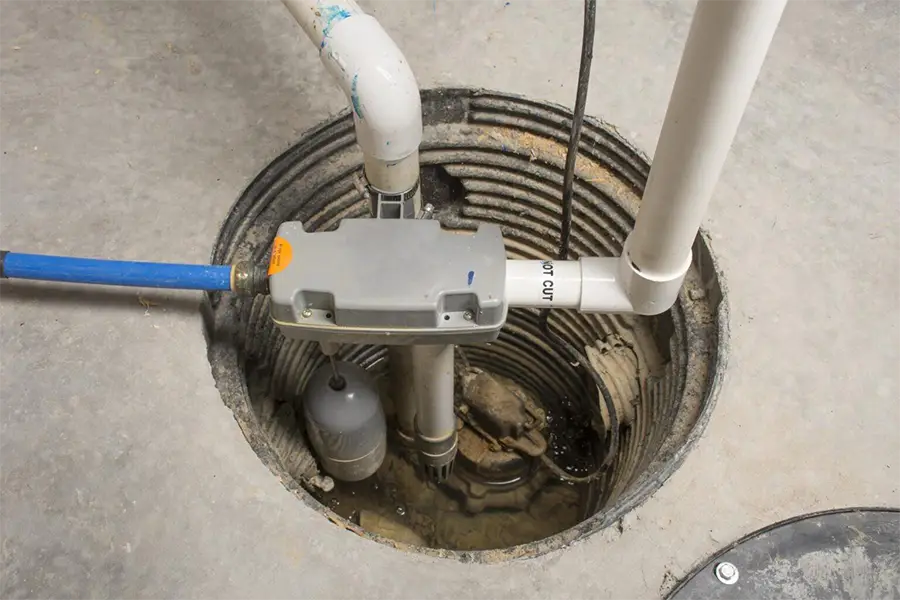
The two main types of sump pumps are pedestal and submersible pumps. Maintenance requirements may vary depending on which type you have.
The submersible pump typically needs to be replaced more frequently because their motors are located within the pump. This means that the entire pump and motor can be fully submerged in water.
Submersible pumps can be stronger since their motors are internally located. However, their motors are exposed to water, and vulnerable to corrosion which requires more frequent maintenance.
Pedestal sump pumps have separate motors that aren’t designed to be submerged in water. Instead, these motors sit above the water level in your sump pit. Pedestal pumps can be easier to maintain since their float switches are located outside of the pit.
While it’s recommended that you have sump pump cleaning and maintenance quarterly or yearly, there are maintenance practices you can do yourself more frequently.
You can perform DIY maintenance as often as every month. If you live in an area where the rainy season hits hard or in an area prone to flooding, you may want to consider this routine.
However, running maintenance every three months is a more standard method and it can give you a comprehensive look at long period performance.
Sump Pump Maintenance Checklist
Here are the areas that a professional maintenance routine should include:
- Check Valve: While the pump undergoes maintenance, the check valve prevents water from flowing back into the pit.
- Size of the Pit and Pump Placement: Sometimes excessive water can warp the shape of the pit and shift the pump. It’s important that everything remains in the same position since installment.
- Backup Battery Power System: Sump pumps require a battery backup so they can still function in a power outage.
- Buildup Alarm: Water in the pit can surprise you sometimes, but an alarm alerts you to any buildup.
- Removable Cover: The pump cover needs to fit properly so that it can effectively keep water from evaporating elsewhere.
- Discharge Location: The water drainage from the pump should flow to the same place on your property as intended during installation.
- Pump Grate: Since the grate constantly catches debris and blockage particles, it should be cleaned to avoid any build-up.
If you’re looking into sump pump annual maintenance, know there’s a lot you can learn by doing it yourself before you call a professional.
DIY Maintenance
While more involved maintenance tasks are best handled by a professional, some of them are relatively simple to check. Here’s what you can do.
Test the Pump
The most basic type of maintenance you can do is to test the pump by pouring a bucket of water into the pit. The pump should automatically start draining the water right away.
If you have a float that detects water in the pit, you may have to wait for the float to trigger the sump pump. Or you can try gently loosening the float so that it initiates the pumping.
You may need to pump as much as 5 gallons to ensure the process is working all the way. If you prefer, you can test your pump like this every month just see that it’s working properly.
Test the Power Connection
Another maintenance tip is to check that your pump is properly connected to power.
Although your sump pump should have a battery backup power system, the pump plugs in and connects to your primary power. This means that the pump relies upon electricity which makes it vulnerable to power outages or outlet trips.
Sometimes outages can trip the ground fault circuit interrupter (GFCI) on a power outlet, so be sure to check your outlet.
What’s most important is that everything is properly connected and turned on.
You should also switch out your battery back up so that you can have enough battery life if a power outage affects the pump.
Look For Red Flags
Even if you don’t conduct tests regularly, there are some red flags that you should generally watch out for:
Rust Gathers Around The Base: Because your pump handles water, corrosion is a potential threat. This means you may see rust or gel-like chemical build-up around the motor.
The Pump Won’t Activate: If the pump simply won’t drain water, the pump is probably clogged with small stones or accumulated dirt. Many sump pumps have a float that detects water, but blockage particles can also jam the float and prevent it from effectively detecting water. This is why the pump’s grate should be checked and cleared of debris regularly.
The Pump Runs Non-Stop: This can also be directly caused by the float when the pump shifts in position. Displacement is sometimes caused by traumatic water conditions that overwhelm the pump. When there is a shift, the float can face more exposure to the water and skew the detection process.
Sump Pump Maintenance Prepares You for the Worst
It’s important to stay prepared for excessive water conditions to avoid any issues when the water hits.
Professional and DIY sump pump maintenance are important for different reasons. When you conduct your own tests, you become more familiar with your pump’s performance and capabilities.
Professional inspections will help you confirm or identify any concerns that you can otherwise miss. This is also important so that you can get any critical infrastructure fixed before a storm or any potential flooding.
Overall, you want to ensure that your sump pump has a premium service life and we can help you do that. Call us or schedule an appointment and we’ll help you get the most out of your sump pump.